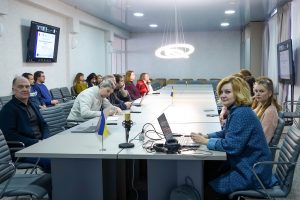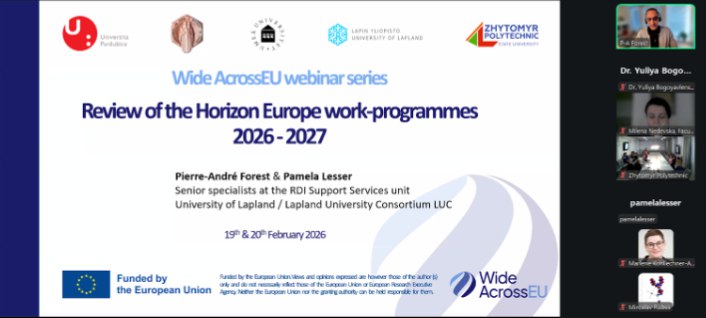

The international webinar “Review of the Horizon Europe work-programmes 2026-2027” within the framework of the WIDE AcrossEU project was hosted by the RDI Support Services unit of the University of Lapland (Finland) on the 19-20th of February, 2026. The event brought together researchers, research support staff, representatives of international offices, management and administrative staff from higher education institutions seeking to enhance the performance of their participation in European Union funding programmes.
The webinar focused on the main aspects of the updated work programmes of Horizon Europe for 2026-2027, as well as on practical cases of proposal preparation within the new funding conditions. Experts from the University of Lapland provided a detailed overview of the logic of the new work programmes and their alignment with key EU policy priorities. It was mentioned that in 2026-2027, the programme will be even more strongly oriented towards achieving measurable societal and economic impact, supporting the green and digital transitions, and strengthening the competitiveness of European research and innovation.
Participants received a structured overview of changes across clusters, horizontal priorities, and funding mechanisms. Particular attention was paid to updated approaches to defining call topics, strengthened requirements for the “Impact” section, integration of open science policies and research data management, interdisciplinarity and cross-sectoral collaboration, and the role of institutional support in improving proposal quality.
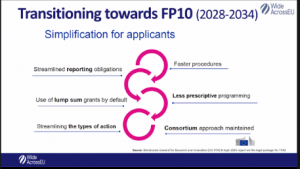
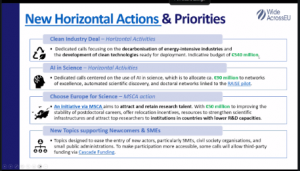
The presentation of new horizontal initiatives aimed at supporting transformative processes in Europe was made. Speakers outlined directions for future simplification measures, including broader use of lump-sum funding, reduction of administrative burden, optimisation of grant types, preservation of the consortium-based approach, and new opportunities to integrate artificial intelligence into research processes within the AI in Science framework. These changes aim to make participation more accessible, while improving the efficiency of EU funding. For participants from widening countries, information on the development of the WIDERA programme was very relevant.
The webinar was practical-oriented: participants received recommendations on developing competitive project ideas aligned with expected call outcomes, clearly formulating objectives and impact indicators, structuring work packages, justifying budgets, demonstrating European added value, and building effective consortium management models. During the Q&A session, attendees received clarifications on financial mechanisms, project evaluation procedures, the specifics of lump-sum grants, and the involvement of new partners.
Participation in such international events is an important component of strengthening universities’ institutional capacity in international project activities. The knowledge gained will contribute to improving internal research support procedures, enhancing the quality of grant proposals, and increasing participation in Horizon Europe calls. Systematic engagement in the initiatives of the WIDE AcrossEU project opens new opportunities to expand partnerships, integrate into the European Research Area, and strengthen universities’ positions as active participants in international scientific cooperation.